


Sunglass Lens Color Guide: What Each Tint Does for Vision
Most people choose sunglasses by color, then wonder why a dark brown pair makes the afternoon feel dim, or why a bright green pair seems to wash out a parking lot in Dubai. The tint of a lens changes how much light reaches your eyes and which colors you see most clearly, and it does that independently of UV protection. This sunglass lens color guide explains what gray, brown, amber, green and other tints actually do, and which ones earn their place in the UAE's strong, glary sunlight.
Table of Contents
- Quick Takeaways
- Why Tint Color Is Not the Same as UV Protection
- Gray Lenses for True Color on Bright Days
- Brown and Amber Lenses for Contrast
- Green Lenses for Balanced Light
- Yellow, Rose and Blue Tints for Specific Conditions
- Photochromic Lenses in Dubai Conditions
- Polarization Is a Separate Decision
- Comparison: Choosing a Tint by Task
- Frequently Asked Questions
- References
Quick Takeaways
| Key Insight | Explanation |
|---|---|
| Tint darkness is not UV protection | The label should state that the lenses block UVA and UVB. The color or darkness of the lens tells you nothing reliable about UV. |
| Gray is the safest all-round tint | It reduces brightness with very little color shift, which suits daily wear and mixed indoor and outdoor use. |
| Brown and amber add contrast | They help on hazy, dusty or pale-sky days, but they warm the colors you see, including white walls and clothing. |
| Green is the balanced middle | Green tints cut brightness with a modest color shift, which makes them a practical choice if you want one pair for everything. |
| Photochromic lenses stay light in cars | Standard transition lenses need UV to darken, and most windscreens filter much of it, so they remain lighter behind the wheel. |
| Polarization is separate from color | A polarized lens in any tint cuts reflected glare from roads, water and glass. Ask for it by name when you buy. |
Why Tint Color Is Not the Same as UV Protection
The most common mistake we see is the assumption that a darker lens is a safer lens. Tint darkness only tells you how much visible light gets through. UV protection comes from a filter built into the lens material or applied as a coating, and a pale yellow lens can block UV just as completely as a black one.
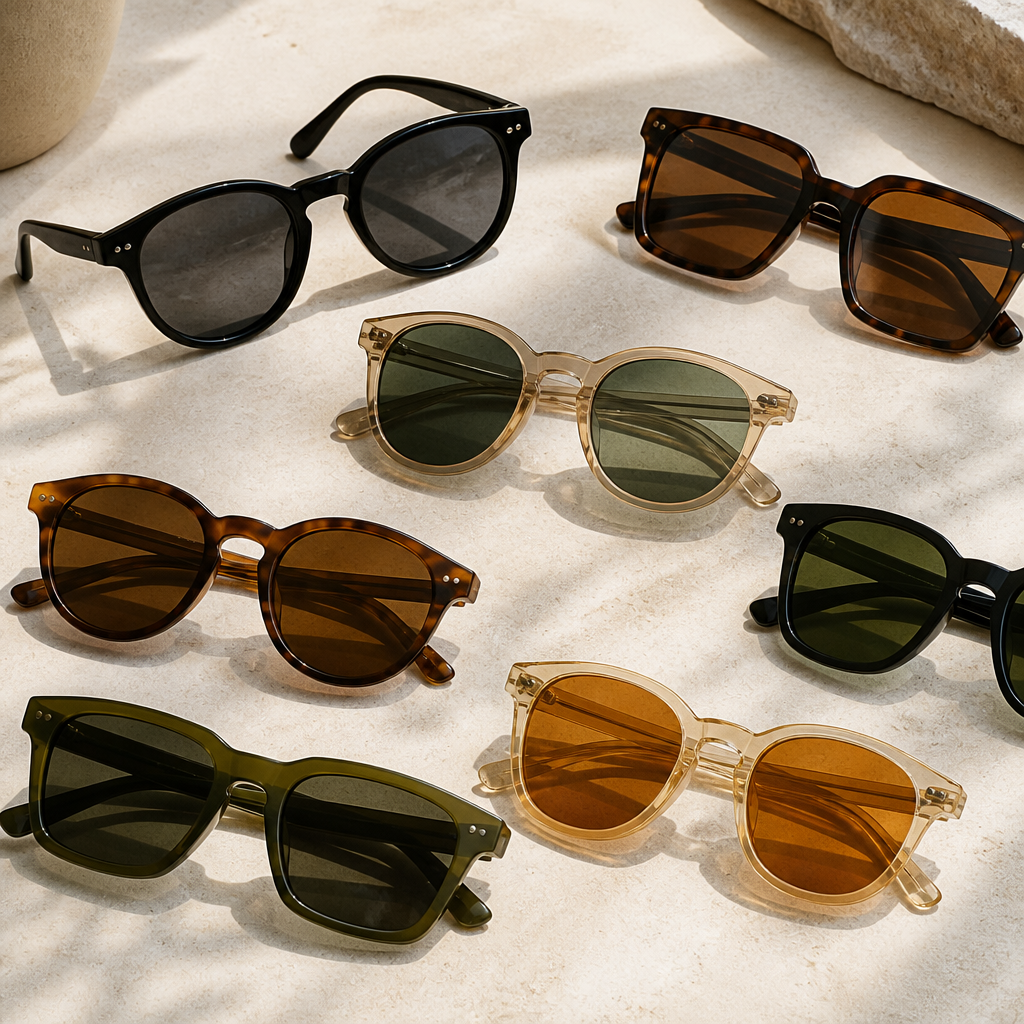
Dubai sunlight is a different problem from a cloudy afternoon in a northern city. Strong sun, reflections off the sea and glass towers, and long hours outdoors mean the lens is doing real work every day, even in October when the air feels milder. Glare is often the complaint that drives people to buy a new pair, more than raw brightness.
Visible light transmission and what it means for you
Lens makers describe how much visible light a tint passes, and a darker tint passes less. A very dark lens worn in dim conditions, such as an underground car park or an early evening drive, can make the world hard to read. Choose darkness to match the light you face most often, not the brightest day you can imagine.
In practice, think in terms of your usual week. A pair for beach days and desert drives should not also be your evening pair, and a single very dark lens is rarely the best all-day compromise.
What to check on the label before you buy
Look for a clear statement that the lenses block both UVA and UVB. If a seller cannot explain where that protection comes from, treat the claim as unproven and move on. A reputable seller should be able to tell you whether the protection is built into the lens or added as a coating.
Pro tip: You cannot test UV protection by looking through a lens. Use the label and the seller's explanation as your check, and treat the darkness of the tint as a separate question about comfort.
Gray Lenses for True Color on Bright Days
Gray is the tint we recommend first, and the reason is simple. It cuts brightness across the visible spectrum with very little color shift, so sand still looks like sand and a traffic light still looks like a traffic light.
That neutrality matters more than most buyers expect. When a lens changes colors, your brain has to keep adjusting, and some people feel tired after a long drive behind a strongly tinted lens. Gray avoids that problem for most wearers.
How gray keeps colors close to natural
Because gray reduces light evenly, it works like a volume control rather than an equalizer. The dashboard, the sea and the boarding gate look much as they do without sunglasses, only dimmer. That is why gray is the most forgiving choice for a single pair that moves from the car park to a seaside lunch and back.
It also handles direct midday sun, which is when Dubai glare is at its worst. For most people, a medium gray pair is the default they reach for without thinking.
Where gray falls short
Gray does little to improve contrast. On a hazy morning or a dusty day when the horizon blends into the sky, gray makes everything darker without making edges sharper. That is the main reason it disappoints buyers who expected a visual upgrade.
Very dark gray can also feel too dim in shade or after sunset. In our experience, customers who return a gray pair usually had a density problem rather than a color problem, because the lens was too dark for the light they actually drove in. Matching the density to your routine solves most of it.
A neutral lens is the one you stop noticing, and that is usually the one you end up wearing most.
Brown and Amber Lenses for Contrast
If you have ever asked whether brown or gray is better, the honest answer is that brown does a different job. Brown and amber lenses filter more blue light than gray does, and that tends to sharpen contrast and depth, particularly on hazy or dusty days.
That is why brown is often the tint experienced drivers pick as a second pair. It suits the conditions where the sky is pale, the sand is bright and the road ahead looks washed out.
Why brown tends to add contrast
Blue light scatters more easily in haze, which is one reason distant objects look flat. Brown and amber absorb more of that scattered blue, so edges and textures stand out more clearly. Many wearers notice the difference first on a pale road surface or on a desert drive.
The gain is real, but it is not magic. Brown will not compensate for a vision problem that needs a prescription, and it works less well in deep shade, where light is already weak.
The trade-off with white, blue and screens
Brown changes color. White walls and clothing take on a warm cast, and blue objects can look muted. For most people that is an acceptable price, but it is a good reason to avoid brown if you need to judge colors, such as when choosing paint or matching an outfit.
Brown is also less suitable for long stretches of screen work once you are indoors. If you wear sunglasses most of the day, keep a clear pair or a lighter lens for indoor tasks.
Our advice is straightforward. If you can afford only one pair and drive often, start with gray. If you already own gray and find haze tiring, brown is the logical next pair.
Green Lenses for Balanced Light
Green is the tint that tends to surprise buyers. It sits between gray and brown, reducing brightness while keeping color shift modest, and it is often the best answer for someone who wants one pair for walking, driving and light sport.
Green has a long history in outdoor eyewear. Wearers often describe it as calm on the eyes, though the tint itself does not change how well you see. The practical question is whether its balance suits your routine.
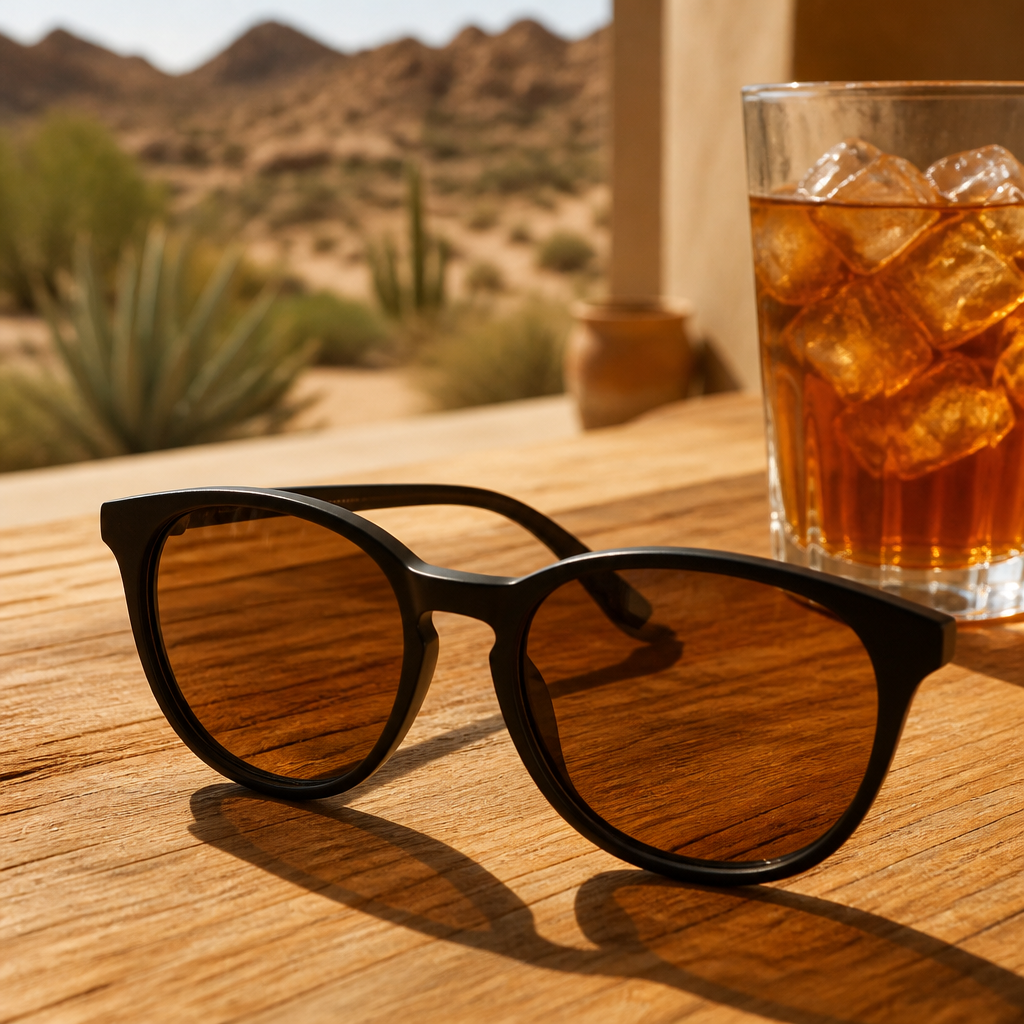
Green as the all-rounder
Green reduces glare reasonably well from roads and water while keeping colors close to natural. That combination makes it a practical default for someone who switches between a morning drive, a midday walk along the seafront and an evening outdoors.
It is also a good choice for people who dislike the warm cast of brown but still want more than the flat look of a very neutral gray.
Where green falls short
Green adds less contrast than brown in haze, so it can look flat on a dusty morning. If your main complaint is that distant objects blur, green will not solve that on its own.
Green lenses also come in a wide range of densities, from pale to nearly black. Lighter green suits shade and variable light, while darker green is for open, bright sun. Check the density before you choose by color name alone.
Yellow, Rose and Blue Tints for Specific Conditions
Yellow, rose and blue lenses are not everyday tints, and they make sense only when you know the specific job. Each one trades a large color shift for a narrow benefit, so treat them as a second or third pair rather than a first purchase.
Yellow and amber for low light
Yellow lenses pass a lot of light and tend to brighten dim scenes. They suit overcast days, early mornings and some indoor sports. They do little to cut glare in strong sun, so a yellow lens is a poor choice for midday desert light, however good it looks in the mirror.
Rose and red tints for a softer look
Rose and red-toned lenses are popular with people who want a softer look and some contrast in certain outdoor settings. The color shift is strong, and many people find it tiring after several hours of wear.
Blue mirror and blue-tinted lenses
Blue mirror coatings are mostly about appearance, and they reflect a good share of the light that hits them. They can look sharp in a shop window and still feel dark or uneven when you walk indoors. Choose them for a specific style, not as a general-purpose lens.
Photochromic Lenses in Dubai Conditions
Photochromic lenses, often sold under the Transitions name, change tint with the light. They suit someone who moves between air-conditioned spaces and bright outdoor areas many times a day, but their behavior is different from a fixed tint.
Published guidance on photochromic and prescription sunglasses notes that transition lenses take a few seconds to darken or clear, while a fixed-tint prescription pair gives instant, consistent protection. For casual wear in the UAE, the difference is small. For driving, it matters a great deal.
Speed of darkening and clearing
Modern photochromic lenses react much faster than older generations, but a short delay remains. Walking from a bright car park into a cold mall, you may spend a few seconds squinting. That is more an annoyance than a hazard, but it is worth knowing before you buy.
Why transition lenses stay light in a car
Standard transition lenses rely on ultraviolet light to darken. Most windscreens filter much of that UV, so the lens stays lighter behind the wheel than many buyers expect. This is the most common surprise for people who bought photochromic lenses hoping they would work as driving sunglasses.
For a dedicated driving pair, choose a fixed tint. Some photochromic models are designed with extra glare resistance for outdoor activity, and published guidance names one such model, so check the product specification rather than assuming every transition lens behaves the same way.
Pro tip: If you need prescription lenses for both driving and everyday wear, a fixed-tint prescription pair for the car is usually more practical than a single photochromic pair that you expect to darken fully inside the vehicle.
Polarization Is a Separate Decision
Polarization is not a color, and it is one of the most misunderstood features in sunglass shopping. A polarized lens can be gray, brown, green or any other shade, and polarization filters a different kind of light altogether.
Polarized lenses, used in many prescription and fashion frames, help greatly reduce glare from reflecting surfaces such as glass, roads and water. That is the difference you notice on a wet road after rain, on the sea in front of a marina or on the dashboard in strong sun. The tint decides how dark the world looks. Polarization decides how much of the shine is removed.
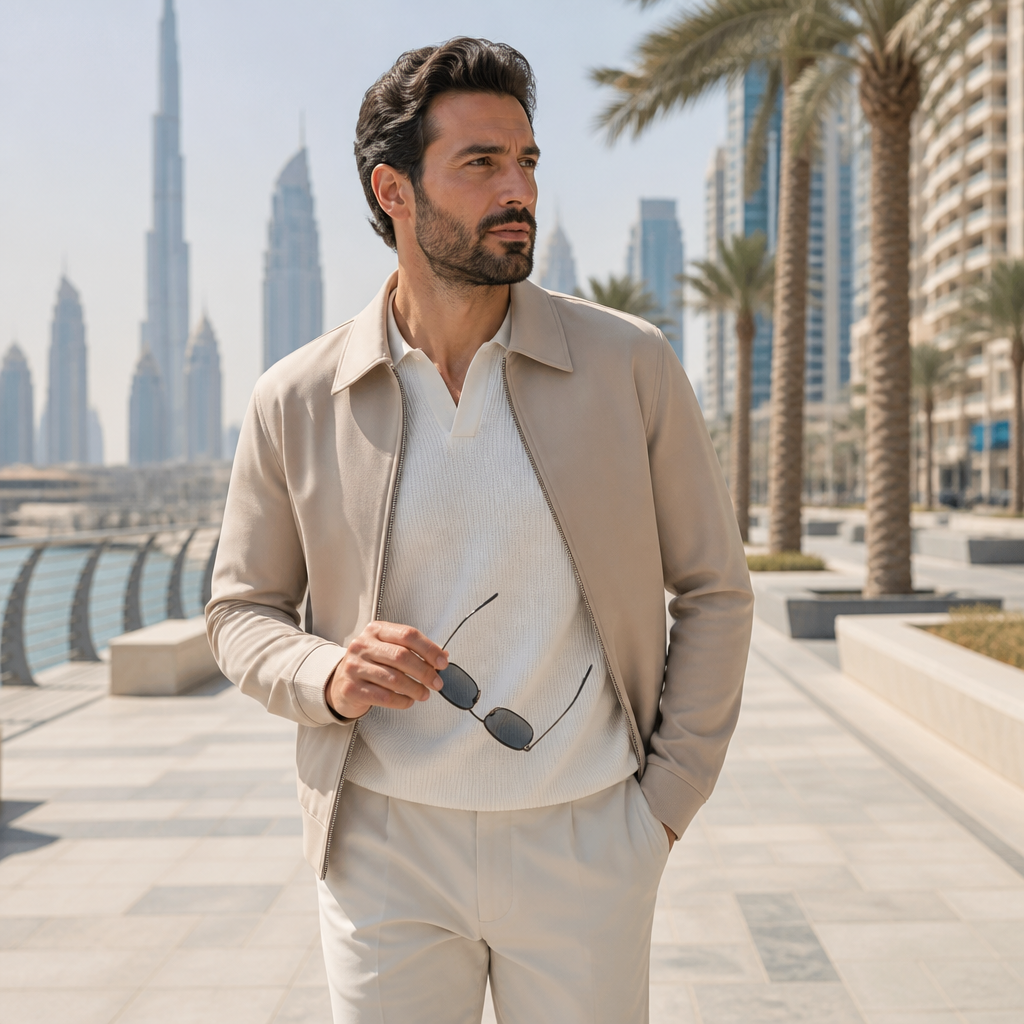
How polarization affects glare on roads and water
Light reflected from horizontal surfaces such as roads and water is partly polarized, which is why polarized lenses work so well there. If you drive along coastal roads or spend time on boats, polarization usually matters more than the color you pick. A polarized gray lens often serves a driver better than an unpolarized brown one.
Checking polarized lenses against screens and dashboards
Polarization can make some LCD screens, including certain dashboard displays and phone screens, look dark or uneven at some angles. Test a pair against your car display and your phone before you commit, especially if you rely on either one while driving.
Pro tip: Tilt your head sideways while looking at a screen through a polarized lens. If the image darkens, shifts color or disappears, that lens will interfere with that display, and you should know it before you buy.
Comparison: Choosing a Tint by Task
A tint should match a task, not a trend. The table below compares the three tints we recommend most often for buyers in the UAE, so you can choose based on the conditions you face in a typical week.
| Tint | Best use | Main trade-off |
|---|---|---|
| Gray | Daily driving, midday sun and mixed indoor and outdoor use | Little contrast gain on hazy or dusty days |
| Brown or amber | Hazy roads, desert drives and outdoor activity with pale or bright surfaces | Warms the colors you see, including white and blue objects |
| Green | One pair for walking, driving and light sport across variable light | Smaller contrast boost than brown in haze |
Start with the routine that takes up most of your time. If that routine is driving in bright sun, gray is the safe choice. If it is hazy driving and walks with a lot of reflected light, brown adds more value. If you want one pair that works across everything, green is the compromise that holds up.
A simple buying sequence
Buy gray first if you have only one pair to spend on. Add brown when haze starts to bother you, and add a specialist tint only when a specific activity demands it.
Matching a tint to your daily routine
Write down the three places you wear sunglasses most often, such as the car, the beach and the office corridor. The tint that covers most of those places is usually the right first choice, even if another color looks better in the mirror.
Frequently Asked Questions
Does a darker lens block more UV?
No. Darkness only reduces visible light. UV protection comes from a filter in the lens material or a coating, so check the label for a clear UVA and UVB statement rather than judging by color.
Is brown or gray better for driving in Dubai?
Gray is the better all-round choice for most drivers because it keeps colors close to natural. Brown is better on hazy or dusty days when you want more contrast, but it shifts colors, so it works best as a second pair.
Do photochromic lenses darken inside a car?
Standard transition lenses usually stay fairly light inside a car because most windscreens filter the UV they need to darken. For driving, a fixed tint or a dedicated driving lens is more reliable.
Which lens color is best for low light?
Yellow and light amber tints brighten dim scenes and are the usual choice for overcast or early-morning use. They do little to cut glare in strong sun, so they cannot replace a midday pair.
Should I choose polarized lenses or a specific tint?
Choose polarization if you drive on wet or sunlit roads, or spend time on water, because it cuts reflected glare. Then pick the tint for the light you face most often. A polarized gray or brown lens gives you both benefits.
Can a tinted lens change how I see colors?
Yes. Every tint shifts color to some degree, with gray causing the least and rose or yellow causing the most. If you need to judge paint, fabric or makeup, use clear lenses or a neutral gray for those tasks.
Tell us which tint has worked best for your own commute or weekend routine, and what you would change if you could choose again.


